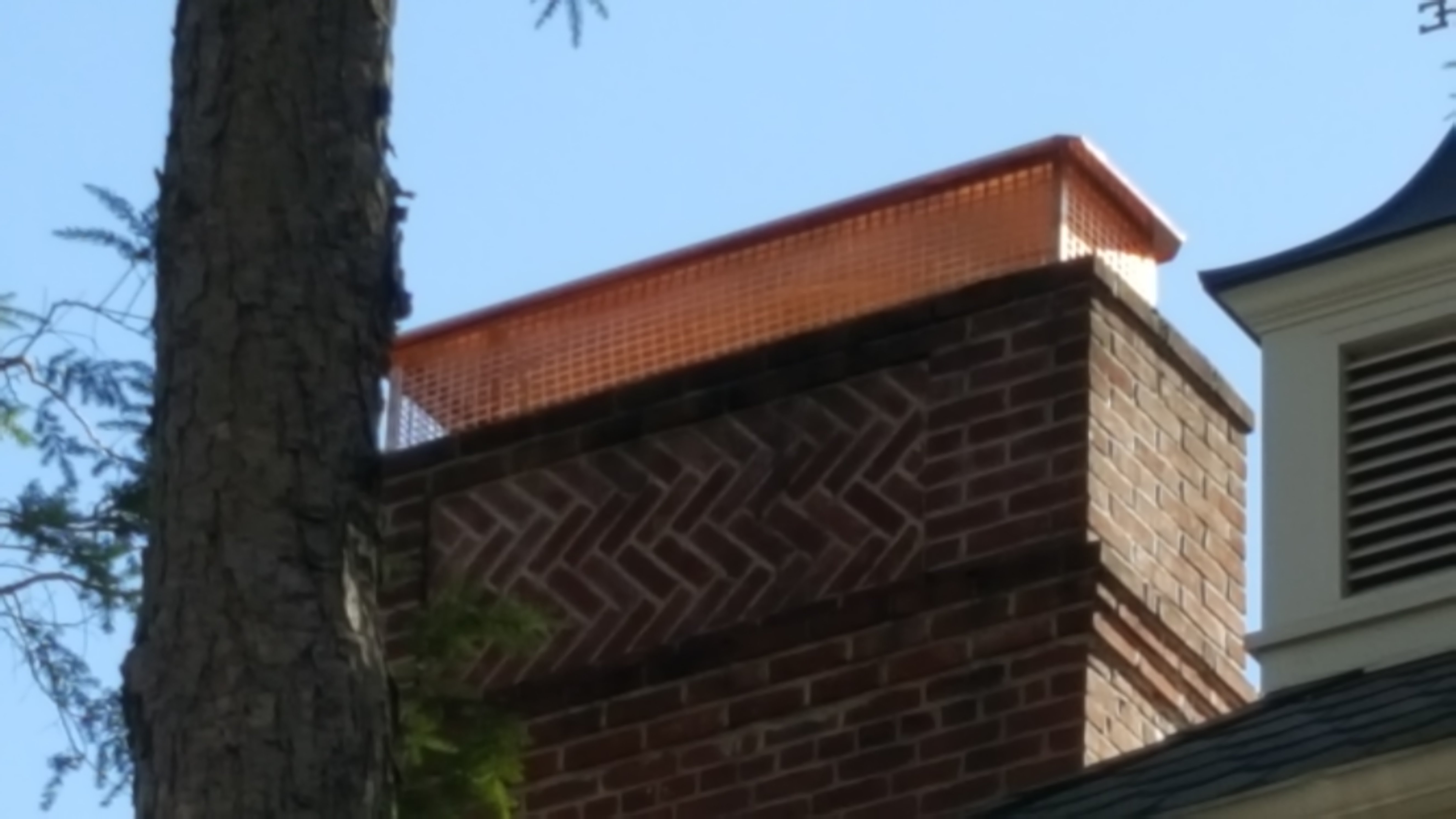
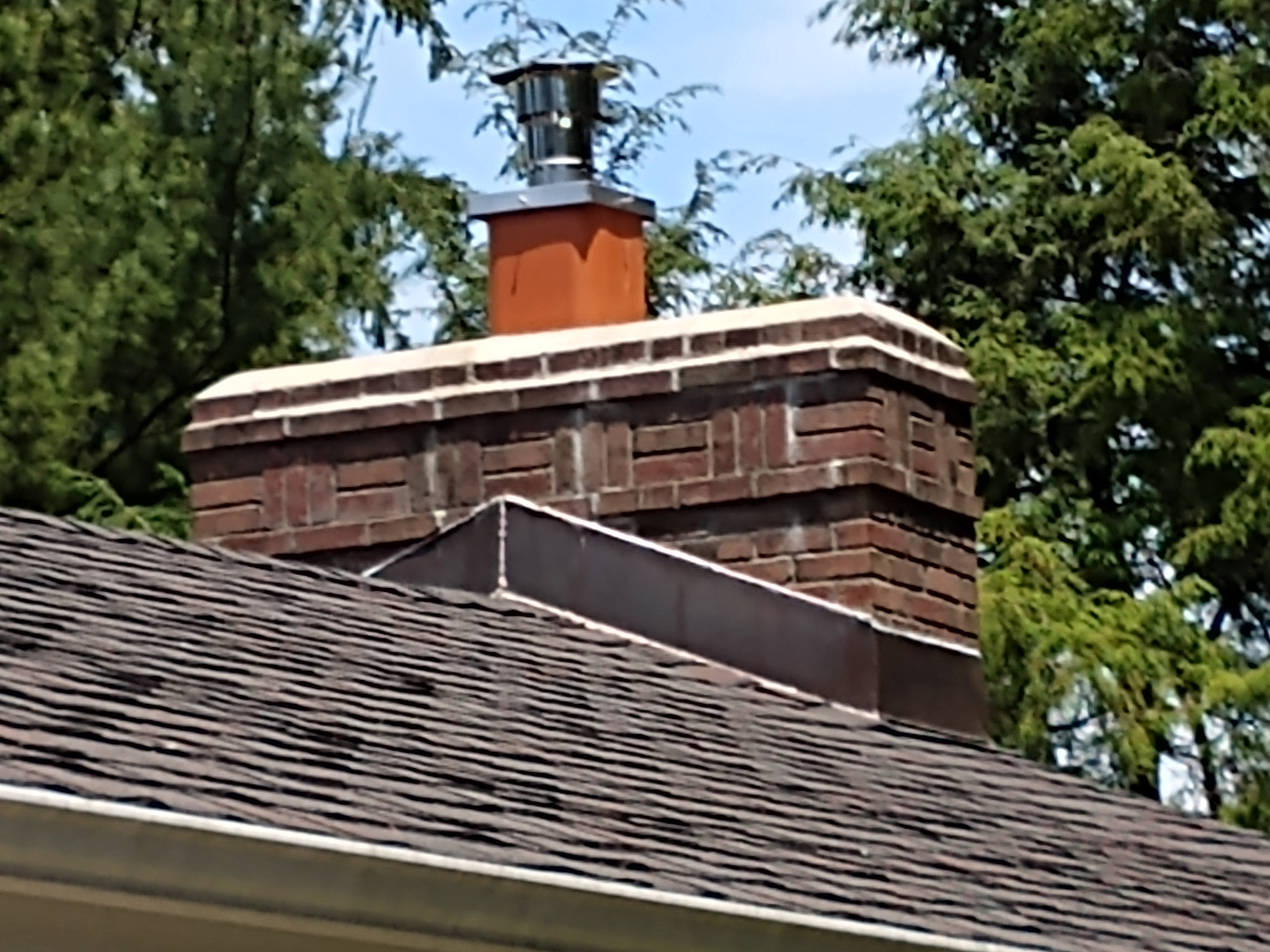
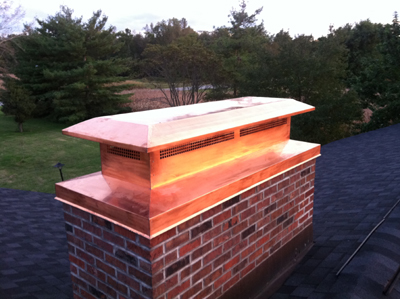
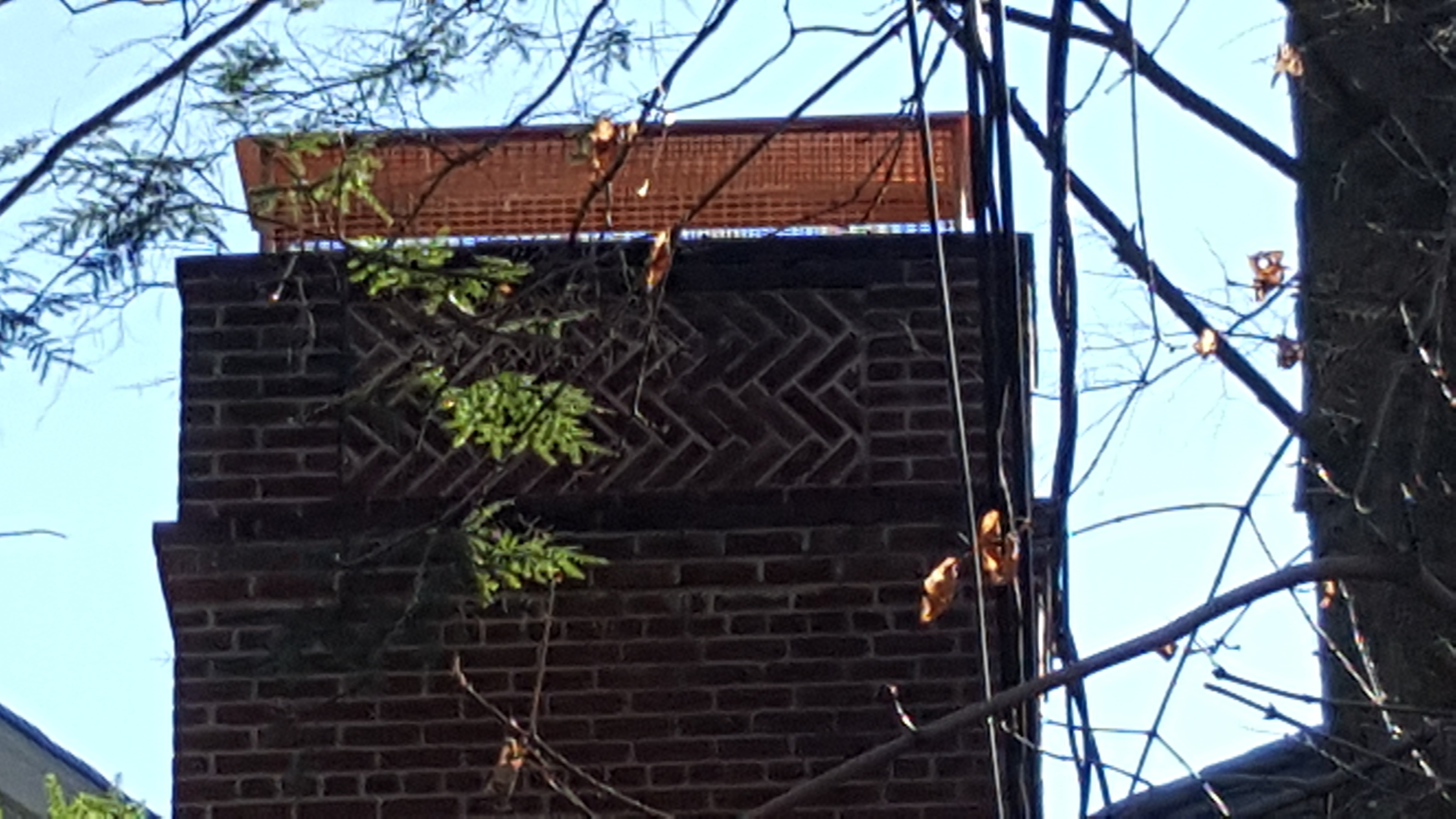
Your chimney cap might be the last thing you think about when you're heating your home on Long Island, but it's often the first line of defense against expensive damage. Homeowners in Deer Park and throughout Suffolk County, NY rely on oil heat and fireplaces year-round, and the seasons here hit chimneys hard. Winter brings heavy snow and ice. Spring storms roll in with driving rain. Summer thunderstorms bring wind gusts that can loosen or bend caps. Fall debris from nearby trees clogs openings. A missing or damaged cap lets all of that straight into your flue, masonry, and fireplace system. The smallest oversight creates the biggest problems.
Water damage inside a chimney system develops silently. Rain enters through an open or deteriorated cap and soaks into the brick, mortar, and interior flue liner. On Long Island, where humidity is high and coastal air carries salt moisture, this water freeze-thaws repeatedly during winter months. The freeze-thaw cycle cracks mortar joints, spalls brick faces, and corrodes metal dampers and smoke chambers. Residents of Deer Park who've neglected cap maintenance often discover damage only after water stains appear on living room ceilings or chimney walls begin crumbling from the inside out. By then, repair costs have multiplied. Prevention through a solid chimney cap replacement is far less expensive than masonry restoration.
Animals don't need an invitation to move into an uncapped chimney. Raccoons, squirrels, birds, bats, and opossums see the opening as shelter. Once inside, they nest, leave droppings, and can block the flue entirely. Homes in Deer Park surrounded by mature trees and wooded areas are especially vulnerable. An animal trapped in your chimney creates immediate hazards: it can damage the flue liner, carry parasites and disease, and prevent proper drafting. When a family in Deer Park lights their fireplace only to find a family of raccoons already there, panic and expense follow. A properly fitted chimney cap with animal exclusion mesh prevents this entirely. It's a one-time investment that protects you year-round.
Storm damage to chimney caps happens more often than most homeowners expect. Wind gusts during nor'easters and summer storms can twist, bend, or tear off caps that are corroded, poorly installed, or simply aged. After storms, we respond to many calls from Deer Park residents who notice their cap is hanging at an angle or missing entirely. Debris from fallen trees can also strike and damage caps. Once compromised, a cap loses its ability to shed water and exclude animals. What started as wind damage becomes water intrusion, animal entry, and eventual system failure. Replacement after storm damage is necessary immediately, not someday.
Chimney caps on older Deer Park homes are particularly vulnerable. Many houses in Deer Park were built in the 1970s and 1980s, when cap materials and installation practices differed from today. Original caps on homes this age have often corroded, rusted through, or separated from the chimney crown. Coastal proximity on Long Island means salt air accelerates corrosion on metal caps. Homeowners here who inherited aging homes should have caps inspected regularly. A new cap installation is straightforward and inexpensive compared to the damage waiting to happen if an old one fails during the next winter or storm season.
Debris accumulation inside an uncapped chimney creates serious safety issues. Leaves, twigs, and wind-blown trash pack into the flue opening. This blocks exhaust gases from venting properly. For residents of Deer Park who use oil heating systems, restricted flues mean combustion byproducts back up into living spaces. Carbon monoxide, soot, and smoke odors become problems. Flue blockages also cause poor fireplace draft, which sends smoke into the room instead of up the chimney. A chimney cap with a spark arrestor mesh stops debris at the source. It allows smoke and gases to escape while keeping branches and leaves out. This dual function is why caps are so critical to both safety and comfort.
Douglas covers all of Deer Park and knows the neighborhood streets well. Long Island homes in Deer Park vary considerably — from Cape Cods and split-levels built in the 1950s to more recent construction — and Douglas is experienced with every chimney configuration found in the area.
Seasonal weather patterns on Long Island demand year-round chimney cap readiness. Winter snow melt and freeze-thaw cycles stress caps constantly. Spring and fall storms bring high winds. Summer heat accelerates rust on metal caps. A chimney cap replacement in Deer Park is never a bad time, but homeowners often find it most convenient in late summer or early fall. However, caps don't fail on a schedule. If you notice yours is damaged, missing, or corroded, waiting for the perfect season is a mistake. A damaged cap protects nothing. DME Maintenance serves Deer Park and Suffolk County, NY year-round and can schedule replacement quickly when you need it.
DME Maintenance has served Long Island homeowners since 2001. Owner Douglas Eberling and our licensed team bring two decades of experience replacing caps on everything from historic homes to modern builds. We understand the specific challenges chimneys face on Long Island, from salt air corrosion to ice dam damage. When your Deer Park home needs a chimney cap replacement, you're working with professionals who know this region and its weather. Call us at 631-316-0622 today to schedule an inspection. Don't wait for the next storm or the first animal visitor. Protect your chimney system now.